
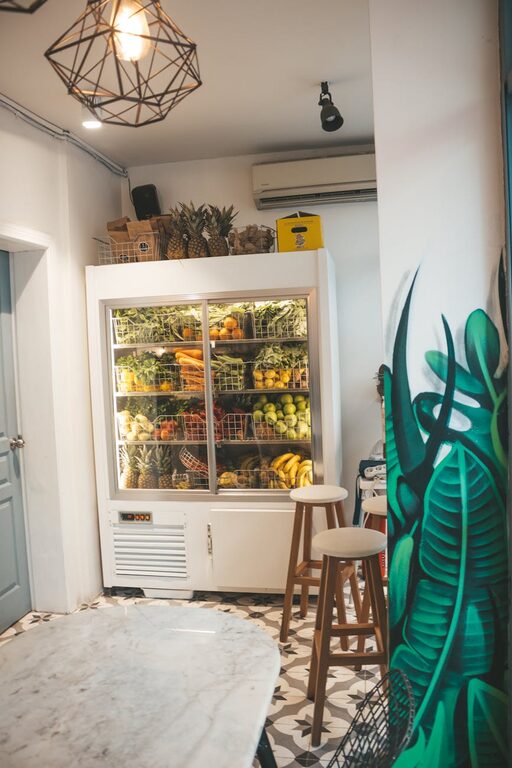
Keeping a tidy fridge and pantry can feel like a never-ending task, especially with busy schedules and the daily influx of groceries. However, maintaining an organized kitchen storage space not only looks good but also helps reduce food waste, save money, and make meal prep easier. In this post, we’ll explore practical tips and strategies to keep your fridge and pantry neat, fresh, and efficient.
Why Organizing Your Fridge and Pantry Matters
Before diving into the “how,” it’s helpful to understand why organizing these areas is beneficial:
– Reduces Food Waste: You can see what you have and use items before they spoil.
– Saves Money: Avoid buying duplicates or last-minute convenience foods.
– Enhances Meal Planning: Knowing your inventory helps plan weekly meals.
– Saves Time: Less time searching for ingredients or cleaning spills.
– Improves Food Safety: Proper storage prevents contamination and spoilage.
Now, let’s look at steps to achieve a tidy fridge and pantry.
How to Keep Your Fridge Organized
The refrigerator is one of the most used spaces in your kitchen, so a good system is essential.
1. Clean and Declutter Regularly
– Schedule weekly clean-ups: Wipe shelves and drawers with mild soap and water.
– Check for expired items: Throw away old or spoiled food.
– Remove duplicates and unnecessary items: Keep the fridge stocked with only what you need.
2. Use Clear Storage Containers
– Opt for transparent bins and containers: Makes it easy to spot what you have.
– Group similar items together: For example, keep all dairy products, sauces, or deli meats in designated bins.
– Label everything: Use labels with expiration dates for extra clarity.
3. Know Your Fridge Zones
Different areas of the fridge have varying temperatures, and storing items in the right spot prolongs freshness.
– Top Shelves: Ready-to-eat foods, drinks, leftovers.
– Middle Shelves: Dairy products like cheese and yogurt.
– Bottom Shelves: Raw meat and fish (placed on trays to avoid drips).
– Drawers: Fruits in one drawer (low humidity), vegetables in another (high humidity).
– Door Shelves: Condiments, juices, and butter (avoid milk, eggs here as temperatures fluctuate).
4. Avoid Overcrowding
Overstuffing limits airflow and leads to uneven cooling. Keep enough space between items for air to circulate.
5. Store Leftovers Properly
Use clear containers with tight lids, and label with dates. Use a first-in, first-out system to consume leftovers promptly.
How to Keep Your Pantry Organized
The pantry can quickly become cluttered because of varied packaging and sizes. Here’s how to keep it neat:
1. Declutter and Take Inventory
– Empty the pantry: Remove all items and sort through them.
– Check expiration dates: Discard expired or stale products.
– Group similar items: Spices, baking supplies, canned goods, snacks, grains.
2. Invest in Storage Solutions
– Use clear jars and containers: These help keep products fresh and visible.
– Stackable bins and baskets: Maximize vertical space.
– Tiered shelves or organizers: Ideal for canned goods or spices.
– Lazy Susans: Rotating trays to access items easily.
3. Label Everything
Clear labels prevent confusion and help everyone in the household know where things go.
4. Arrange Items Strategically
– Keep frequently used items at eye level or front of shelves.
– Place heavier items on lower shelves.
– Use door racks for smaller packets or spices.
5. Create Zones
Define areas for baking, snacks, breakfast, and meal essentials to make finding what you need faster.
Tips for Ongoing Maintenance
Keeping your fridge and pantry tidy over time is about habits:
– Review inventory weekly to keep track of what’s left.
– Wipe spills immediately to prevent sticky messes.
– Shop with a list to avoid buying unnecessary items.
– Label items when you bring groceries home.
– Rotate stock so older items are at the front.
Additional Ideas for Freshness and Efficiency
– Use moisture-absorbing packs or silica gel packs in certain drawers to extend produce life.
– Keep a small whiteboard or chalkboard near the fridge with notes or a running grocery list.
– Freeze leftovers or excess fresh foods you can’t use quickly.
– Consider investing in fridge organizers like egg trays or can dispensers to optimize space.
Conclusion
A tidy fridge and pantry don’t just improve the appearance of your kitchen; they simplify cooking, reduce waste, and save money. With a bit of effort and the right organizational tools, you can create a system that makes your everyday life easier and more enjoyable. Start with one area at a time, and soon maintaining order will become second nature!
—
Do you have your own fridge or pantry organizing tips? Share them in the comments below!